
 (262) 347-0680
AI in Building Technology: What It Means for Network Design and Cabling
Artificial Intelligence is quickly becoming the backbone of modern building technology. From predictive maintenance and energy management to security analytics and smart workplace automation, AI is transforming how buildings operate — and how they're connected.
A key aspect that many businesses overlook, however, is that AI is only as strong as the network infrastructure that supports it. As smart systems evolve, so too must the cabling, design, and bandwidth capacity that powers them.
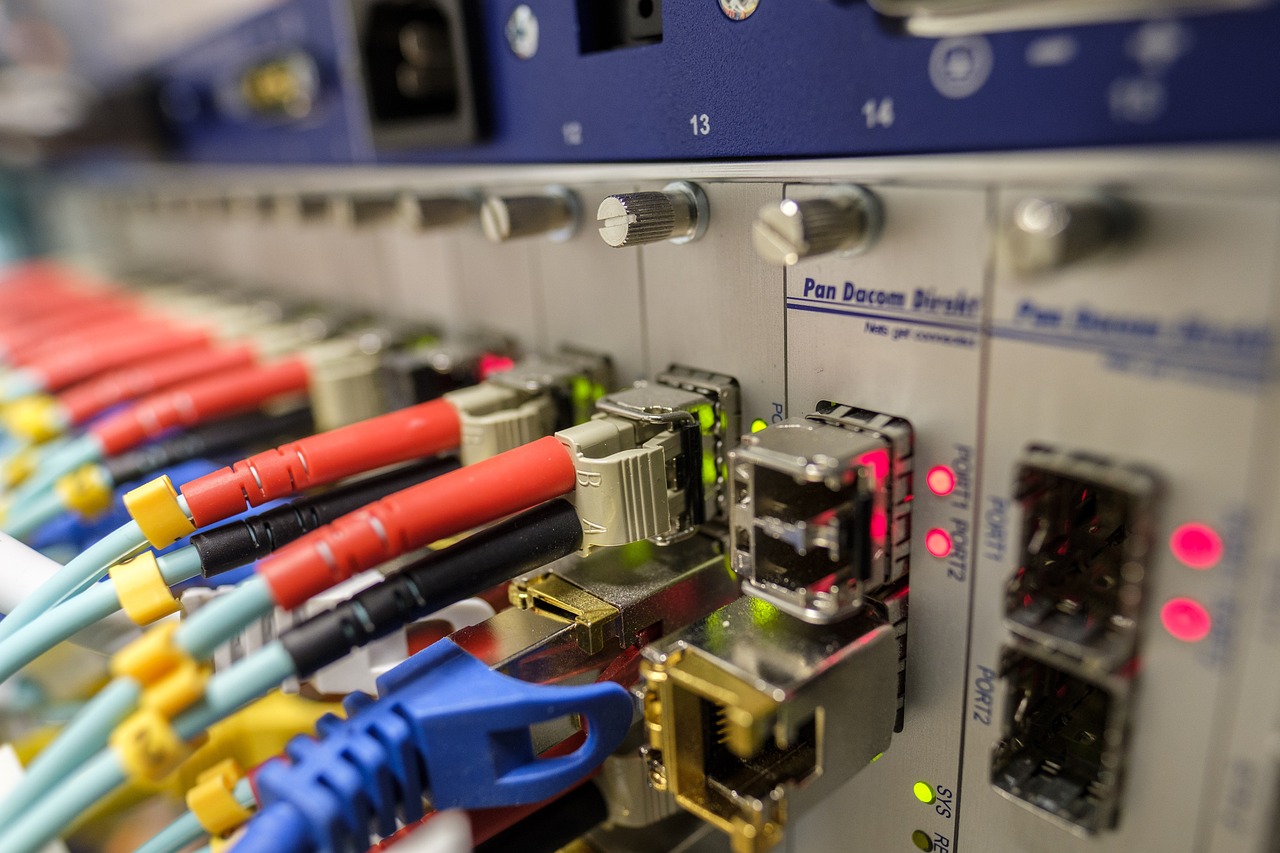
AI Is Driving a New Era of Connected Buildings
AI isn't just a buzzword in construction and facilities management — it's the new operating system for smart buildings. AI-powered systems are being used to:
- Analyze occupancy patterns and optimize HVAC and lighting in real time
- Detect anomalies in security video feeds for faster threat response
- Monitor network health and reroute traffic automatically
- Predict maintenance needs for elevators, production lines, and utilities
- Improve energy efficiency and sustainability performance
Each of these applications generates and processes massive amounts of data — far more than traditional building systems ever handled. That data has to travel fast, reliably, and securely.

The Foundation: Structured Cabling Built for AI
AI systems depend on low latency and high bandwidth to function effectively. Whether it’s cameras feeding real-time analytics, IoT sensors monitoring temperature, or servers crunching predictive models, the cabling infrastructure is what ties it all together.
Modern AI-ready buildings require:
- High-performance cabling (Cat6A or fiber) to handle multi-gigabit speeds
- Scalable structured cabling systems that allow for future device expansion
- Proper pathways to maintain uptime and resilience
- Proper segmentation and labeling for efficient troubleshooting and maintenance
Installing a network with future AI growth in mind prevents costly retrofits later. It’s no longer about just connecting devices — it’s about designing an intelligent data ecosystem.

Power and Connectivity Converge
With the rise of Power over Ethernet (PoE), more devices are powered directly through network cables — from LED lighting to access control systems and environmental sensors.
AI-enabled systems rely heavily on these connected devices to collect and share data continuously.
The next generation of PoE (up to 100W per port) will allow businesses to deploy more intelligent endpoints without adding power outlets or electrical work. This creates cleaner, more energy-efficient installations and helps support the growing ecosystem of AI-enabled devices.
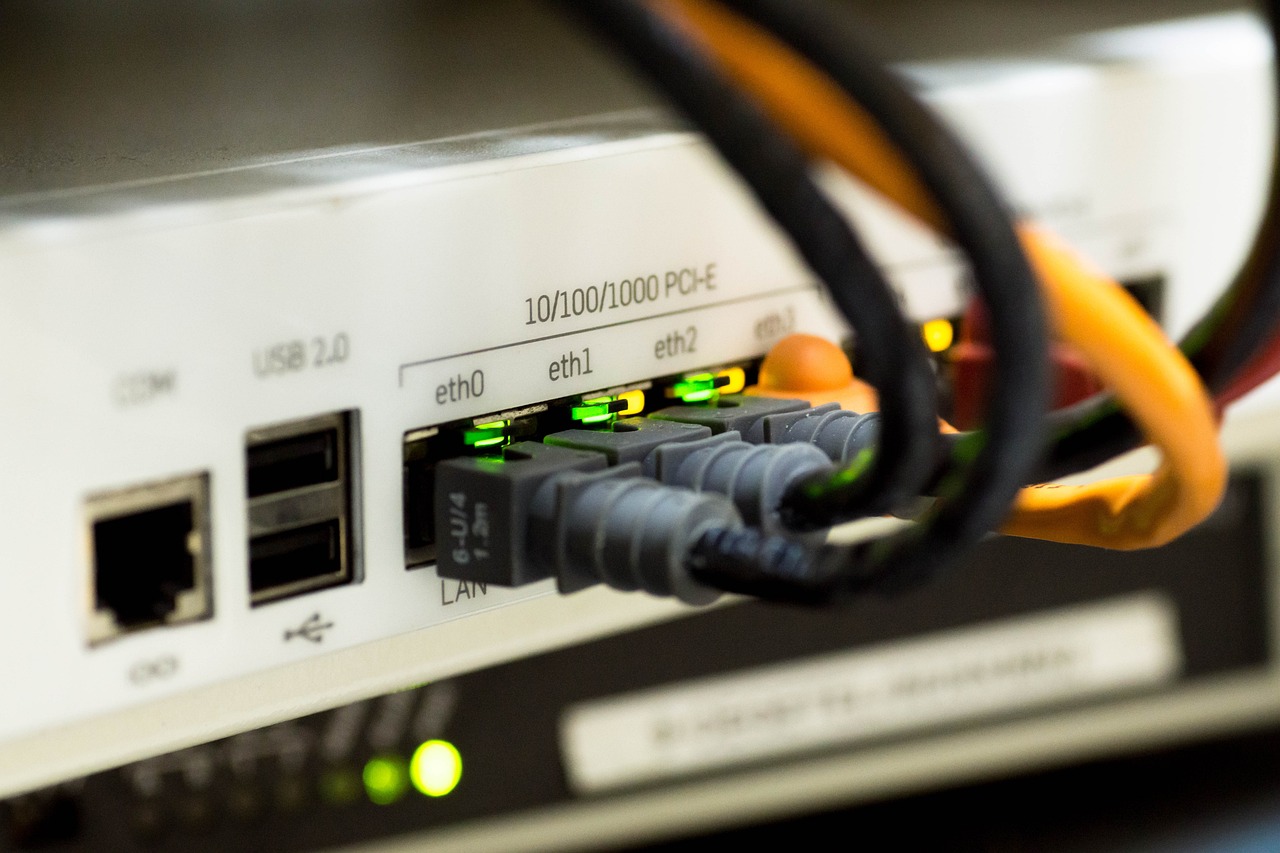
Edge Computing and AI at the Network’s Edge
AI workloads don’t always live in the cloud. Many AI-driven systems process data at the edge — closer to where it’s generated. Think of a security camera that identifies unusual behavior or a sensor that adjusts HVAC settings instantly based on occupancy.
Edge computing reduces latency and bandwidth costs, but it also demands localized micro data centers or distributed network closets throughout a building.
These environments require:
- High-density cabling for data and power
- Strong environmental controls and cable management
- Scalable connectivity between edge and core networks
The design must anticipate heavy data traffic and ensure uptime through smart layout and redundancy.
The New Role of Network Designers and Cabling Professionals
AI is changing not just technology — but the roles of those who install and maintain it.
Low-voltage technicians and designers are becoming key partners in digital transformation, ensuring that the physical infrastructure supports these complex data systems.
This means understanding not only cabling categories and terminations, but also how data flow, bandwidth allocation, and AI applications interact within a network.
The best installations are designed with IT collaboration in mind — bridging the gap between building systems and enterprise technology.
Future-Proofing for What’s Next
AI’s evolution is just beginning. As buildings become smarter and systems more integrated, network infrastructure must be:
- Flexible – able to adapt to changing technologies
- Scalable – supporting new devices and data loads
- Sustainable – designed with long-term efficiency in mind
Businesses that invest now in high-performance cabling and network design are building more than connectivity — they’re building the foundation for intelligent operations that can evolve with technology.
AI in building technology isn’t coming — it’s already here. The buildings of tomorrow will rely on seamless communication between thousands of smart devices, sensors, and systems.
A strong, scalable, and well-designed low-voltage cabling infrastructure is what makes that intelligence possible.
If your organization is planning a new facility or upgrading existing systems, now is the time to design your network with AI in mind. The future is smart — and it starts with the cabling beneath your floors and above your ceilings.