
Why Proper Commercial Cable Installation Is Critical for Data Centers
When you think of data centers, your mind might go to racks of servers, advanced cooling systems, or backup generators. But behind all of that high-tech hardware is something even more fundamental: the cable infrastructure.
Structured cabling is the foundation that supports everything in a data center. From high-speed data transfer to system reliability and future scalability, professional cable installation plays a vital role in keeping operations smooth and secure.
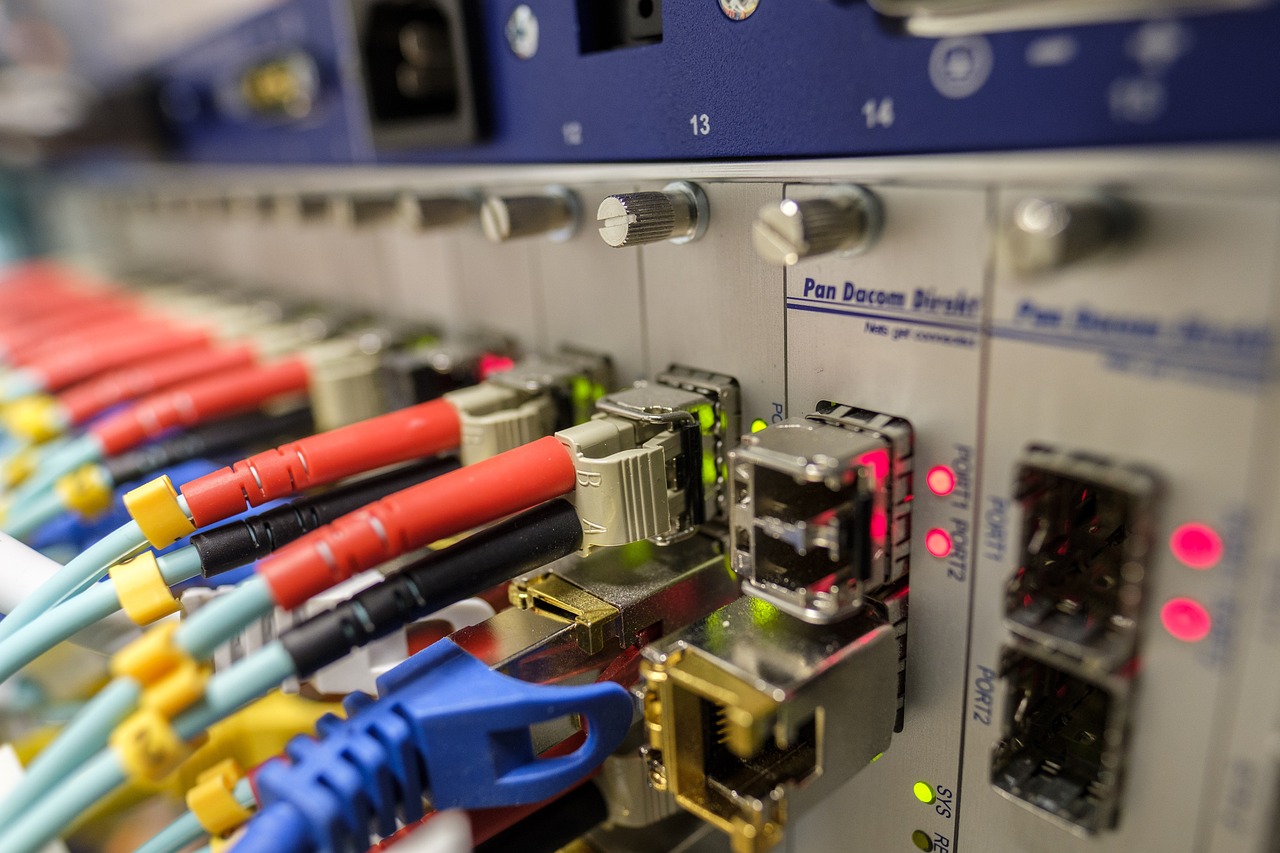
The Hidden Engine of Performance
Every server, switch, and piece of network hardware relies on cabling to communicate. If the cabling is poorly planned or installed, it can result in signal degradation, interference, and physical damage—all of which compromise data integrity and uptime.
In a space where even milliseconds matter, there is no room for cable clutter, weak connections, or unmarked lines.
Downtime Is Costly
Downtime in a data center can cost thousands—or even millions—of dollars per hour, depending on the industry. Many outages are traced back to physical layer issues, including disorganized or low-quality cable installations. Commercial-grade installation, performed by experienced professionals, reduces the risk of failure through proper design, labeling, routing, and testing.
Scalability Depends on Structure
Data centers must grow with demand. If your infrastructure isn't designed to scale—both in bandwidth and layout—you're setting yourself up for expensive retrofits. A structured cabling system supports modular expansion, making it easier to upgrade equipment, reroute services, or deploy new technologies without starting from scratch.

A Smarter Investment
Commercial cable installation is more than pulling wires. It's about designing a network backbone that supports your goals now and into the future. The right partner ensures not just performance, but long-term reliability and ease of maintenance.
If you're building, upgrading, or expanding a data center, don't overlook what's behind the scenes. Your cabling may be hidden, but its importance couldn't be more visible.